Permanent antistatic additive loading in plastic materials

Why Does Additive Loading Affect Antistatic Performance and Processing Properties?

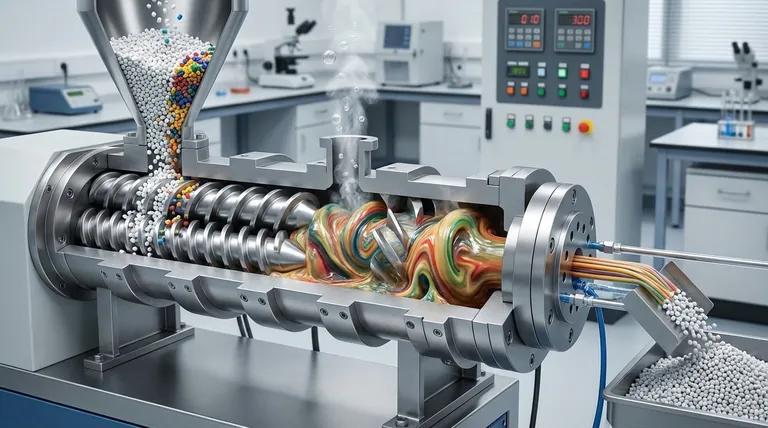
In plastic manufacturing, selecting the right permanent antistatic additive is only part of the solution. Antistatic additive loading also plays an important role in determining the final performance of the material. Too little additive may result in insufficient static dissipation, while excessive loading may affect melt flow, mechanical properties, surface quality, and processing stability. So,

Why Does Additive Loading Affect Antistatic Performance and Processing Properties? Read More »
Permanent antistatic additives vs conductive carbon black in plastic materials

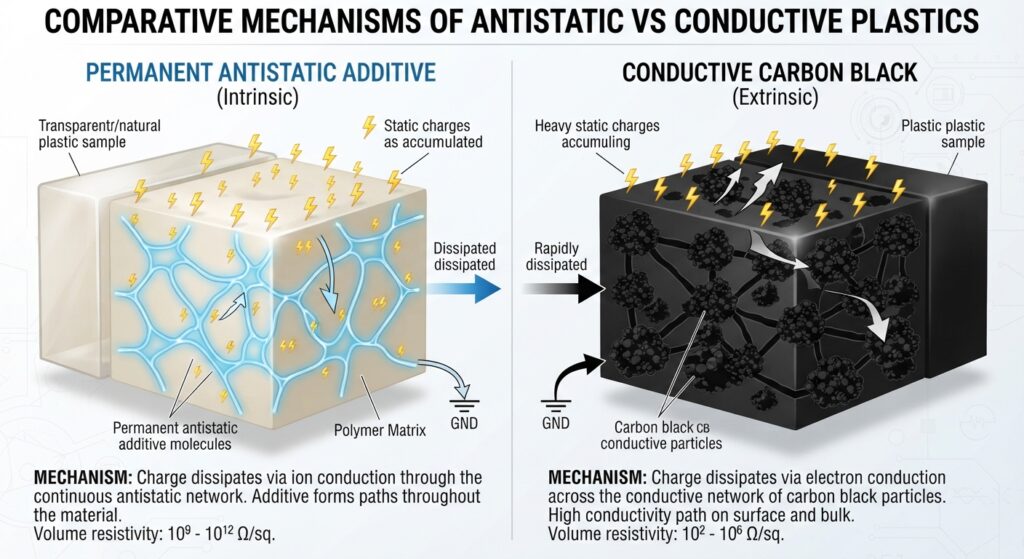
Permanent Antistatic Additives vs. Conductive Carbon Black: What’s the Difference?

Permanent antistatic additives vs. conductive carbon black is an important comparison in the plastics industry. Although both materials help control electrostatic problems, they work through different mechanisms and serve different electrical performance requirements. Understanding these differences can help plastic manufacturers select the right additive for electronics packaging, semiconductor components, automotive plastics, and industrial plastic applications.

Permanent Antistatic Additives vs. Conductive Carbon Black: What’s the Difference? Read More »

Low-Molecular-Weight vs. Polymeric Antistatic Agents: 5 Key Differences

Antistatic additives play an important role in reducing electrostatic charge accumulation in plastic materials. They are widely used in electronic packaging, industrial plastic components, automotive plastics, and other applications where static control is required. However, not all antistatic additives work in the same way. One important difference is their molecular structure. Conventional low-molecular-weight antistatic agents

Low-Molecular-Weight vs. Polymeric Antistatic Agents: 5 Key Differences Read More »

Antistatic Performance and Long-Term Stability: What Is the Difference?

In the plastics industry, antistatic performance is an important requirement for many applications, especially electronics packaging, semiconductor components, automotive parts, and industrial plastic products. However, achieving antistatic performance initially does not necessarily mean that the material will maintain the same properties throughout its service life. So, how should we understand the relationship between antistatic performance

Antistatic Performance and Long-Term Stability: What Is the Difference? Read More »

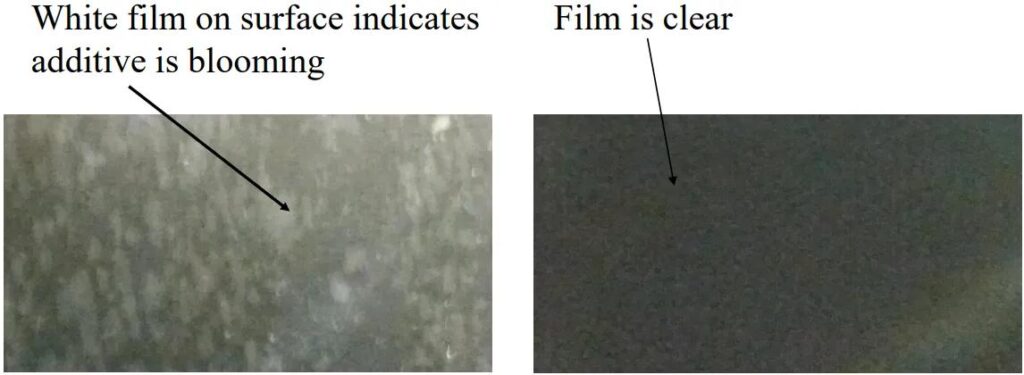
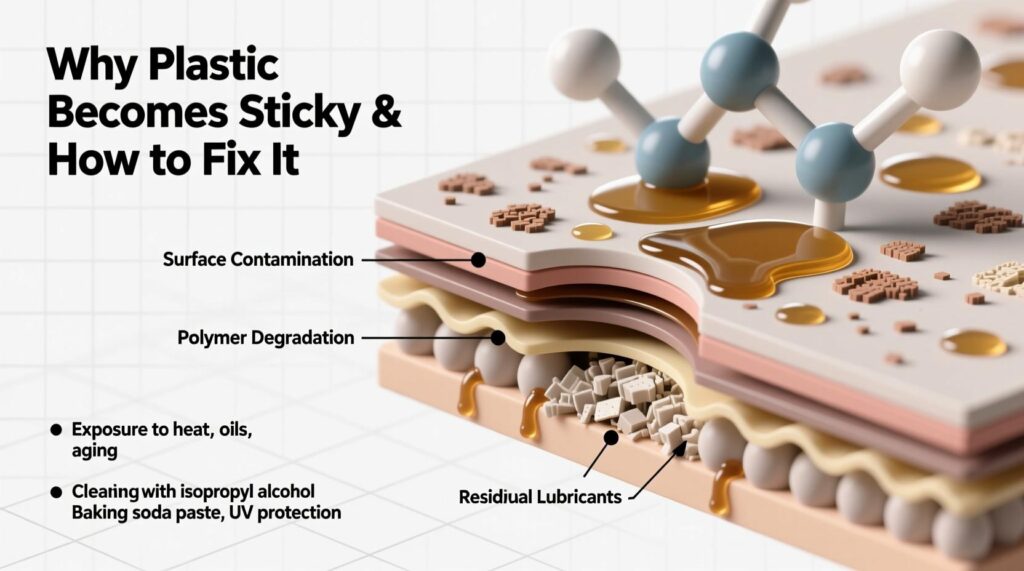
Why Do Plastic Products Develop White Deposits, Sticky Surfaces, or Layer Separation?

Why Do Plastic Additives Cause Blooming, Exudation, Tackiness, or Layer Separation?

Plastic additive blooming is a common surface defect in plastic manufacturing. It may appear as white powder, crystalline deposits, or visible residue on plastic products. Poor additive compatibility, excessive loading, and migration can also contribute to exudation, tackiness, and other surface problems. However, sometimes plastic products develop unexpected surface or structural problems after additives are

Why Do Plastic Additives Cause Blooming, Exudation, Tackiness, or Layer Separation? Read More »

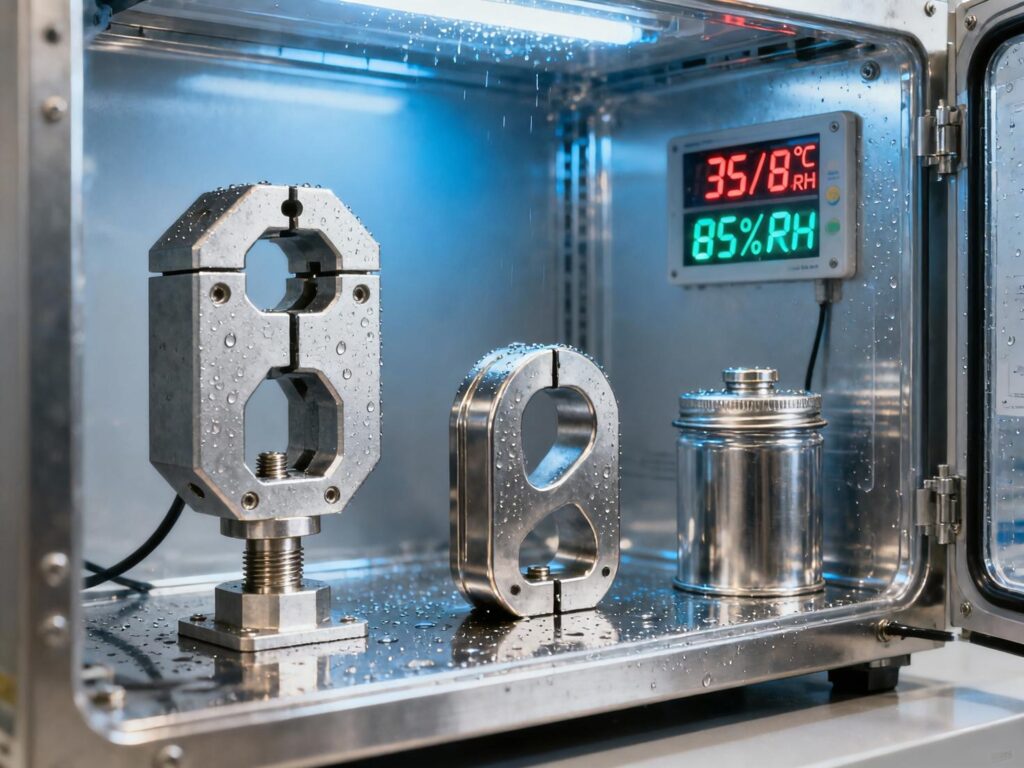
85/85 test for antistatic plastics in a temperature humidity chamber

85/85 Test: What Does It Tell Us About the Long-Term Performance of Permanent Antistatic Plastics?

Introduction The 85/85 test is an accelerated damp heat test used to evaluate the environmental reliability of materials and products. For permanent antistatic plastics, it helps determine whether surface resistivity and other relevant properties remain stable after prolonged exposure to high temperature and humidity. In the plastics industry, permanent antistatic performance is important for applications

85/85 Test: What Does It Tell Us About the Long-Term Performance of Permanent Antistatic Plastics? Read More »

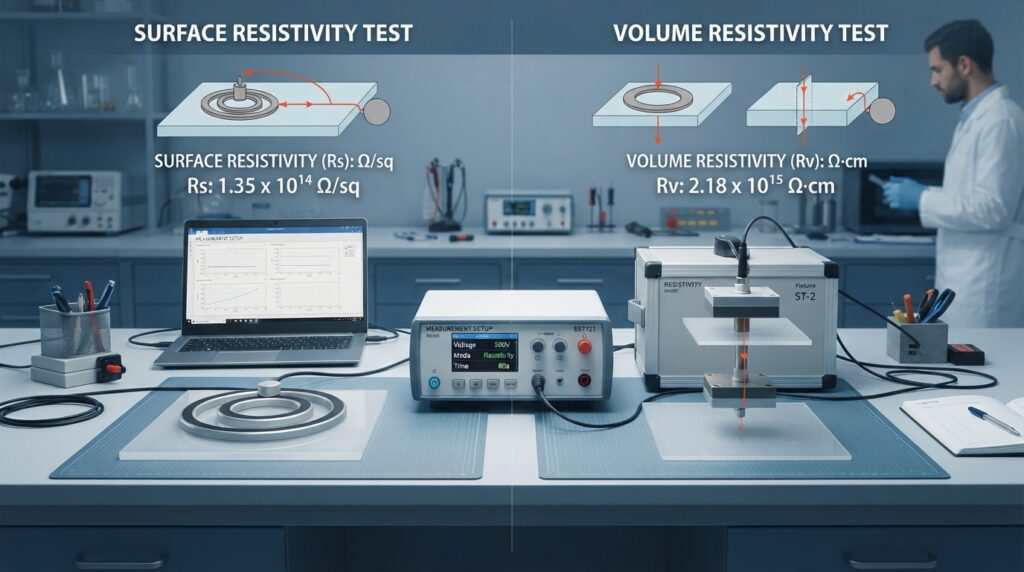
Surface and volume resistivity testing of plastic materials

Surface Resistivity vs. Volume Resistivity: What Is the Difference?

Surface resistivity vs. volume resistivity is an important topic when evaluating the electrical properties of plastic materials. Although both parameters measure electrical resistance, they describe different behaviors: one focuses on the material’s surface, while the other evaluates its internal electrical properties. When selecting antistatic additives or evaluating the electrical properties of plastic materials, surface resistivity

Surface Resistivity vs. Volume Resistivity: What Is the Difference? Read More »

Comparison of surface coating and internal antistatic additives for plastics

Surface Coating vs. Internal Additives: What Is the Difference in Plastic Antistatic Solutions?

When choosing an antistatic solution for plastic products, manufacturers often compare surface coating vs. internal additives. Both approaches help reduce static electricity, but they work differently and offer distinct advantages in terms of durability, processing, and application. To reduce static buildup, manufacturers commonly use two approaches: surface coating and internal additives. Although both methods help

Surface Coating vs. Internal Additives: What Is the Difference in Plastic Antistatic Solutions? Read More »

What Are the Differences Between Antistatic Solutions for BOPP and BOPET Films?

BOPP (Biaxially Oriented Polypropylene) and BOPET (Biaxially Oriented Polyethylene Terephthalate) are widely used in flexible packaging, electronic packaging, labeling, and industrial applications.Choosing the right antistatic solutions for BOPP and BOPET films requires careful consideration of resin compatibility, processing conditions, and the final film properties. Although both materials are insulating polymers, their molecular structures, processing conditions,

What Are the Differences Between Antistatic Solutions for BOPP and BOPET Films? Read More »

Product Enquiry