How to Choose Antistatic Materials for Electronic Trays and Plastic Returnable Bins?

Introduction Choosing the right antistatic materials for electronic trays and plastic returnable bins is essential for protecting sensitive electronic components from electrostatic discharge (ESD). The materials must provide suitable electrical performance, good processability, and long-term antistatic properties to meet the requirements of electronics manufacturing and transportation. 1. Application Requirements for Antistatic Electronic Trays and Bins

How to Choose Antistatic Materials for Electronic Trays and Plastic Returnable Bins? Read More »
Permanent antistatic additives for injection molding, extrusion, and blown film

Injection Molding, Extrusion, and Blown Film: What Should You Focus On?

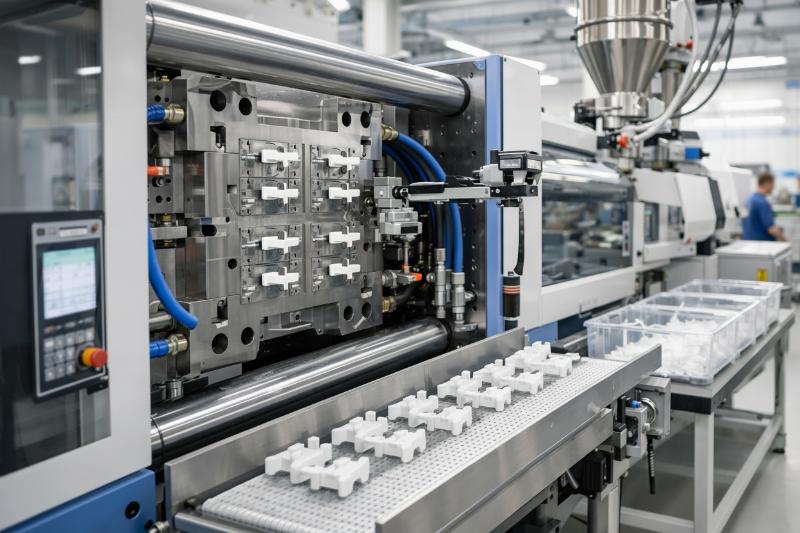
Permanent antistatic additives for different processing methods require careful selection to achieve reliable antistatic performance. In the plastics industry, injection molding, extrusion, and blown film production each have different processing requirements, even when the same polymer is used. For permanent antistatic additives, understanding these differences is essential to maintaining processing efficiency and final product quality.Even

Injection Molding, Extrusion, and Blown Film: What Should You Focus On? Read More »

Why Does the Addition Level of Antistatic Masterbatch Affect Final Performance?

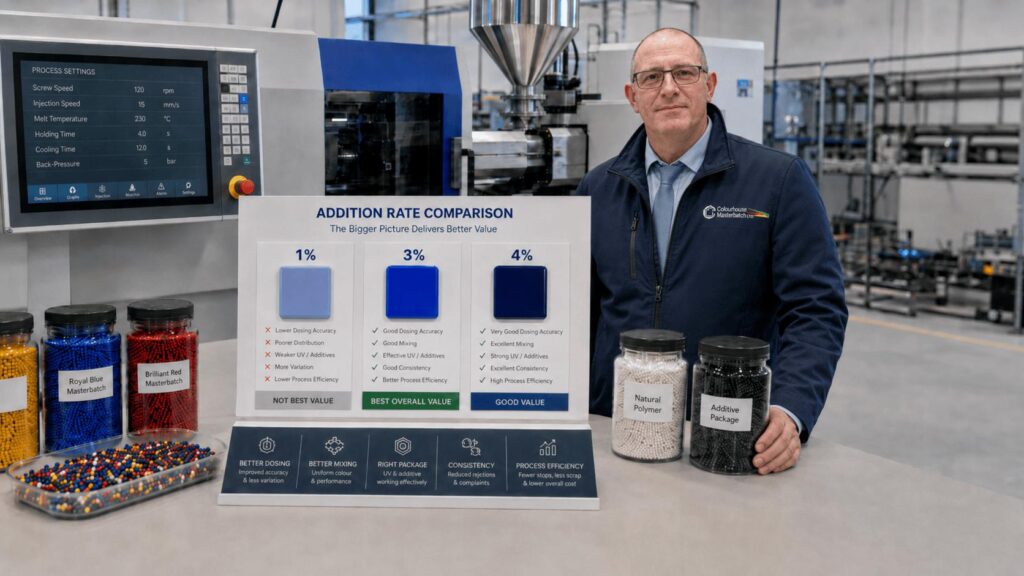
Introduction When developing antistatic plastics, choosing the right antistatic masterbatch is only part of the process. The antistatic masterbatch addition level also plays an important role in determining the final performance of the material. Some manufacturers may find that a low addition level does not provide sufficient antistatic performance, while increasing the dosage improves the

Why Does the Addition Level of Antistatic Masterbatch Affect Final Performance? Read More »

Why Do Antistatic Plastics Lose Performance in Low-Humidity Environments?

Introduction Antistatic plastics are widely used in electronics packaging, semiconductor components, automotive parts, and industrial applications where electrostatic charge must be controlled. However, one common challenge is that some antistatic plastics perform well under normal humidity conditions but become less effective in dry environments. Why does this happen? The answer lies in the different mechanisms

Why Do Antistatic Plastics Lose Performance in Low-Humidity Environments? Read More »

What Is Surface Resistivity? What Do 10⁶, 10⁸, 10¹⁰ and 10¹² Ω Mean?

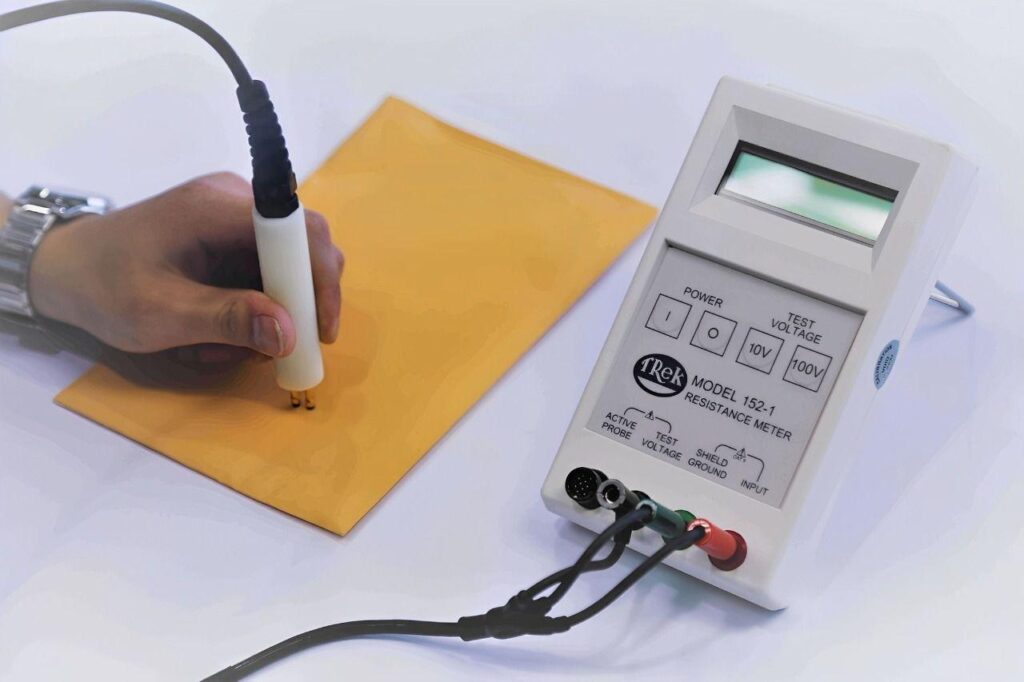
Surface resistivity is one of the most important electrical properties used to evaluate antistatic and static-control plastics. When selecting an antistatic additive, customers often specify a target value such as 10⁶ Ω, 10⁸ Ω or 10¹⁰ Ω. But what do these numbers actually mean? Does a lower value always indicate better antistatic performance? To understand

What Is Surface Resistivity? What Do 10⁶, 10⁸, 10¹⁰ and 10¹² Ω Mean? Read More »

How to Select Permanent Antistatic Additives for Different Plastics: PP, PE, ABS, PC, and PA

Introduction Permanent antistatic additives are used in plastics to help control static charge buildup in applications such as electronic components, industrial parts, packaging, and plastic housings. However, there is no universal antistatic additive that automatically works equally well in every plastic. Polypropylene (PP), polyethylene (PE), acrylonitrile butadiene styrene (ABS), polycarbonate (PC), and polyamide (PA) have

How to Select Permanent Antistatic Additives for Different Plastics: PP, PE, ABS, PC, and PA Read More »

Antistatic Additives for PA: PA6 vs. PA66 and the Role of Moisture in Antistatic Performance

Introduction Polyamide (PA), commonly known as nylon, is widely used in engineering plastics, electrical components, automotive parts, industrial equipment, and electronic applications. Two common grades are PA6 and PA66. Both offer useful mechanical properties, but they differ in their molecular structure, melting behavior, processing requirements, and moisture absorption characteristics. When developing an antistatic formulation for

Antistatic Additives for PA: PA6 vs. PA66 and the Role of Moisture in Antistatic Performance Read More »

Product Enquiry