What Is ABS?
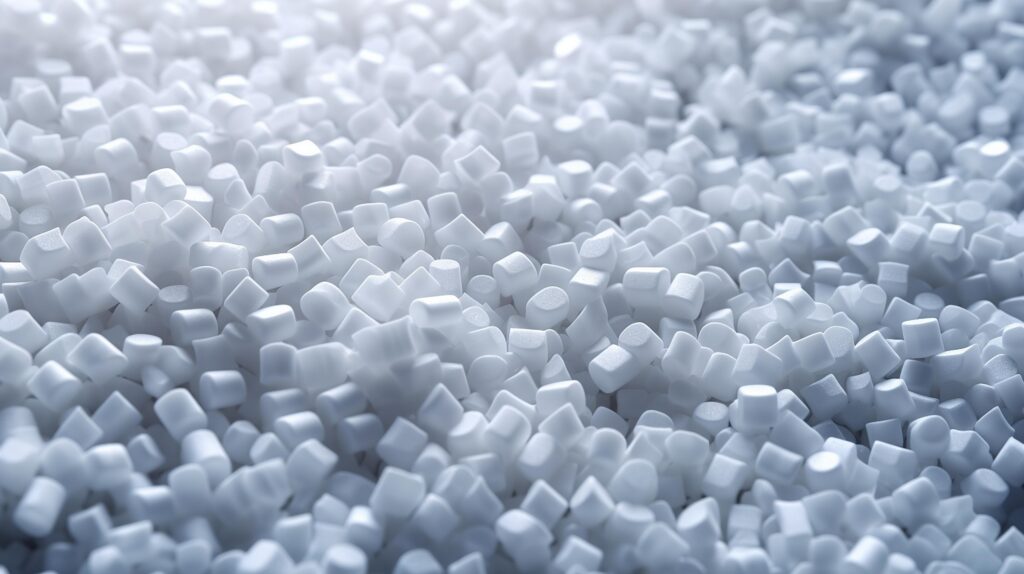
ABS (Acrylonitrile Butadiene Styrene) is one of the most widely used engineering plastics. It offers excellent impact resistance, good dimensional stability, and an attractive surface finish, making it a preferred material for injection-molded products.
ABS is commonly used in:
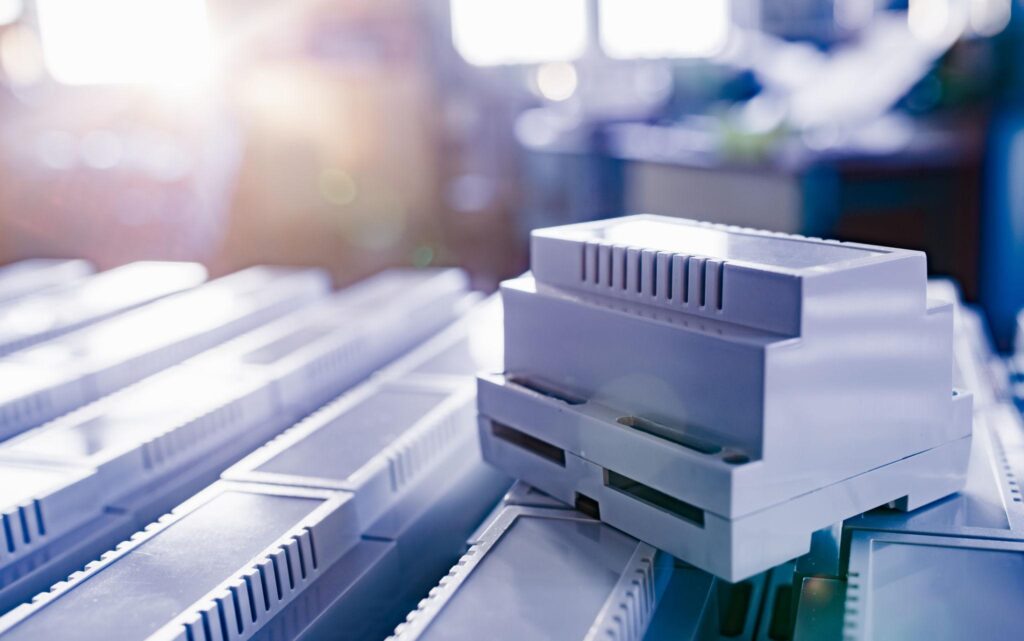
- Electronic housings
- Home appliances
- Automotive interior parts
- Industrial equipment
- Consumer products
Its excellent balance of mechanical properties and processability has made ABS an important material across many industries.
Why Does ABS Generate Static Electricity?
Although ABS has many advantages, it is naturally an insulating material. During manufacturing, transportation, and daily use, static electricity can easily build up on the plastic surface.
Static charges are mainly generated by:
- Friction between plastic surfaces
- High-speed injection molding processes
- Dry production environments
- Material handling and packaging
Without proper static control, electrostatic charges may remain on the product surface for a long time.
Problems Caused by Static Electricity
Static electricity can affect both product quality and manufacturing efficiency.
Dust Attraction
Charged plastic surfaces easily attract dust and fine particles, reducing product appearance and cleanliness.
Electrostatic Discharge (ESD)
For electronic products, electrostatic discharge may damage sensitive electronic components and reduce product reliability.
Production Challenges
Static electricity may cause plastic parts to stick together, making automated handling and packaging more difficult.
Quality Control
Many industries require better surface cleanliness and stable product performance, making static control an important consideration during product design.
How Permanent Antistatic Additives Work
Unlike conventional antistatic agents that gradually migrate or lose effectiveness over time, permanent antistatic additives are designed to provide long-lasting static control throughout the product’s service life.
By reducing surface resistivity and improving electrical conductivity within the polymer system, permanent antistatic additives help maintain stable antistatic performance without significantly affecting the appearance or mechanical properties of ABS.
Key Benefits
Using permanent antistatic additives in ABS applications offers several advantages:
- Long-lasting antistatic performance
- Reduced dust attraction
- Improved ESD protection
- Better product appearance
- Stable processing performance
- Good compatibility with ABS resin
- Suitable for long-term industrial applications
Typical Applications
Permanent antistatic additives for ABS are widely used in:
- Electronic housings
- Communication equipment
- Automotive interior components
- Home appliance parts
- Industrial control panels
- Plastic storage trays
- Precision plastic components
As product quality requirements continue to increase, more manufacturers are choosing permanent antistatic solutions instead of temporary surface treatments.
Looking for a Permanent Antistatic Solution?
Selecting the right permanent antistatic additive depends on your resin type, processing method, and target surface resistivity.
Whether your application involves electronics, automotive, packaging, or industrial components, choosing an appropriate permanent antistatic solution can help improve product quality and manufacturing efficiency.
If you would like to learn more about permanent antistatic additives for ABS or discuss your application requirements, feel free to contact us.